CNCH 2013 Conference at Squaw Valley, USA
Textile Games
 There is nothing like a photo album to send you down memory lane. Although CNCH 2013 was just a couple of weeks ago, we are still reminiscing about our good times at Squaw Valley and since we had some great photographers in attendance, the 2013 committee wanted to share their pictures with everyone.
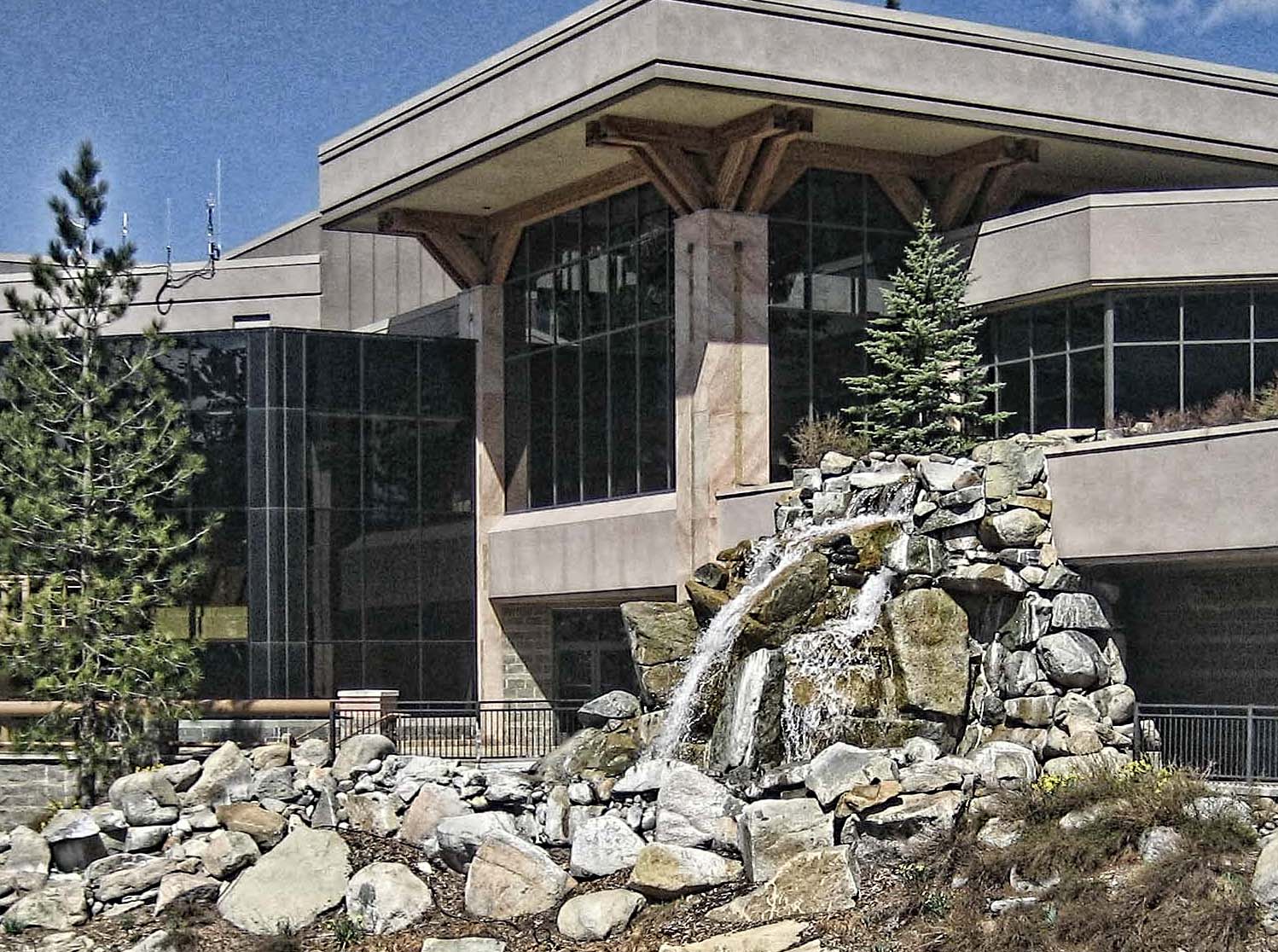 We are coming around that last bend before CNCH finally arrives and can almost see and feel the glory of the high Sierra. This is brand new territory for most of us so the CNCH committee thought you might like a check list that you can refer to before you leave and also have on hand once you arrive to get your weekend off to a smooth start.
Steve & Therese May
News Flash!
 The CNCH 2013 committee has fantastic news. As of April 1, (no, we aren’t fooling) you will have the opportunity to register for individual conference workshops and lectures at a price of $75 per class (plus any materials fee applicable to the class you choose). These are the same classes that are being taught at the full conference on June 1 & 2 and there are still lots of choices available.
When I last checked the website, I found wonderful choices in spinning, felting, jewelry and basketry techniques, embroidery, surface design and more. There is good news for knitters too; Lorna Miser of Lorna’s Laces fame will be teaching four classes at the conference.
To start browsing the class list, go to the CNCH 2013 web page and find the links on the left side bar. “Classes at a Glance” is a good place to start your search and will let you know where there are classes with openings available. Then click on the “Classes” link where you will find complete course descriptions. There is a “Class Materials” link under “More CNCH 2013 Info” which will let you know what you need to bring, what the instructor is going to provide and if there is a materials fee. In the same area, you will click on the “Individual Class Registration” link to get complete details on reserving and paying for your class. Sorry, no refunds on this very special offering.
Please feel free to share this information with your friends. They don’t have to be members of a CNCH guild to get in on this deal and traveling as a group so that everyone can indulge their fiber passion sounds like a neat idea. Did I mention that there will be a Tailgate Market on Friday evening, May 31, and you are welcome to attend? There are so many options for making this a fun mini vacation so we have put together a bunch of web links for activities in the Tahoe area to give you ideas for a fun filled weekend. Hope to see you at Squaw Valley.
March 28, 2013
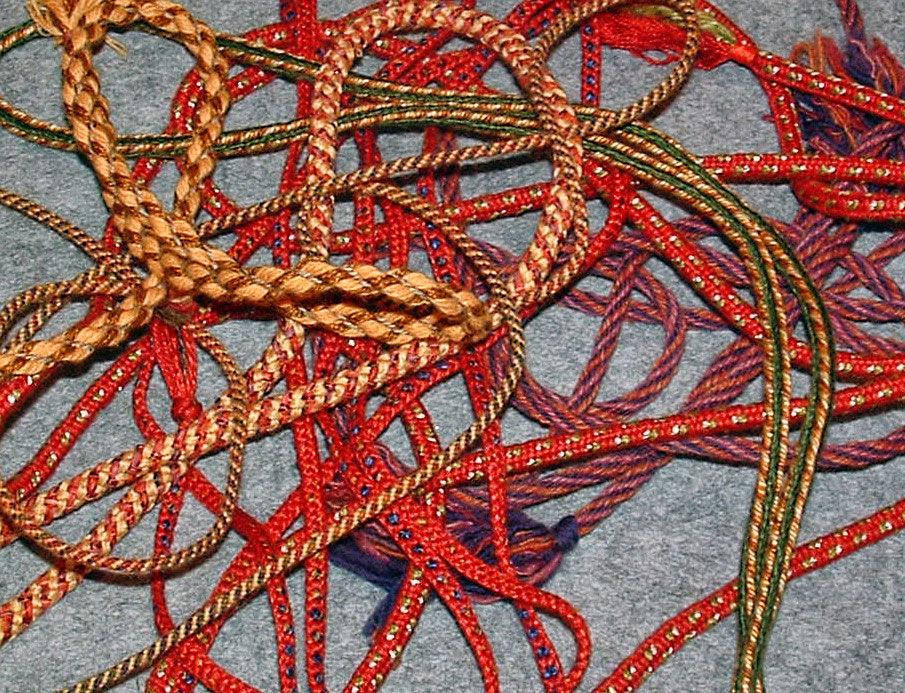 Time to Start Thinking about the Lanyard Competition.
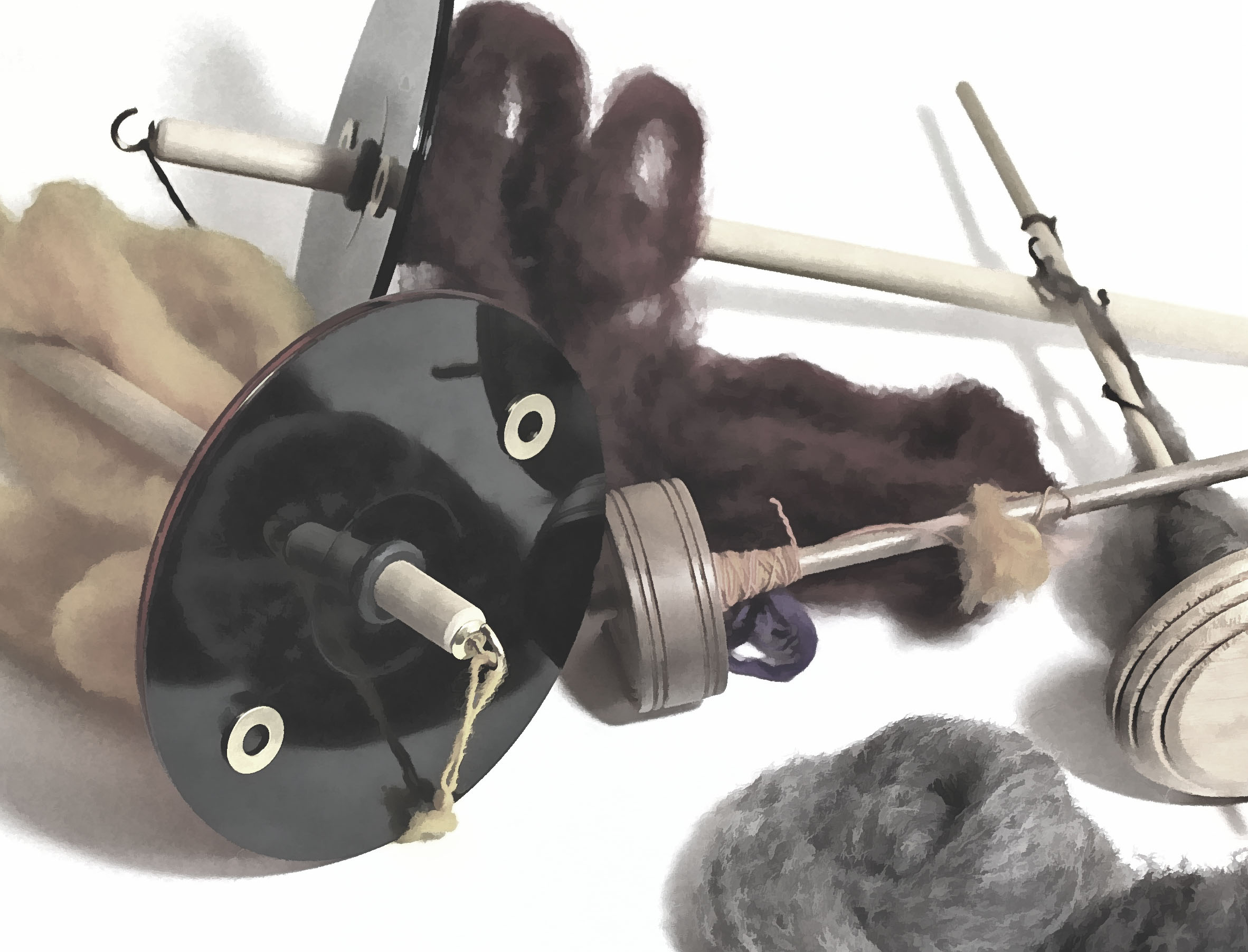 I had a conversation with Sue Robertson who is organizing the drop spindle slalom just so that I could pass on all the “fine print” rules that weren’t mentioned in the CNCH booklet. It turns out you may use your own spindle, or race officials will lend you one of their super duper CD spindles. The same roving will be provided to all contestants. You may attach your fiber to a leader prior to the contest, but no pre drafting (drat!). The course will be approximately 35 feet in length and will be a zigzag path marked by cones. You must travel down the course and back twice to give you a good opportunity to spin some yarn, but you must keep moving – no fair stopping to spin and then run through the course! You can can, of course, pick up your spindle if you drop it, and if you knock over a cone, you must pick it up and put it back in its place. (Knock on wooden spindle – we hope neither of these things will happen to you.) Did I mention that the yarn you spin must be a continuous piece? (Double drat!)
March 6, 2013
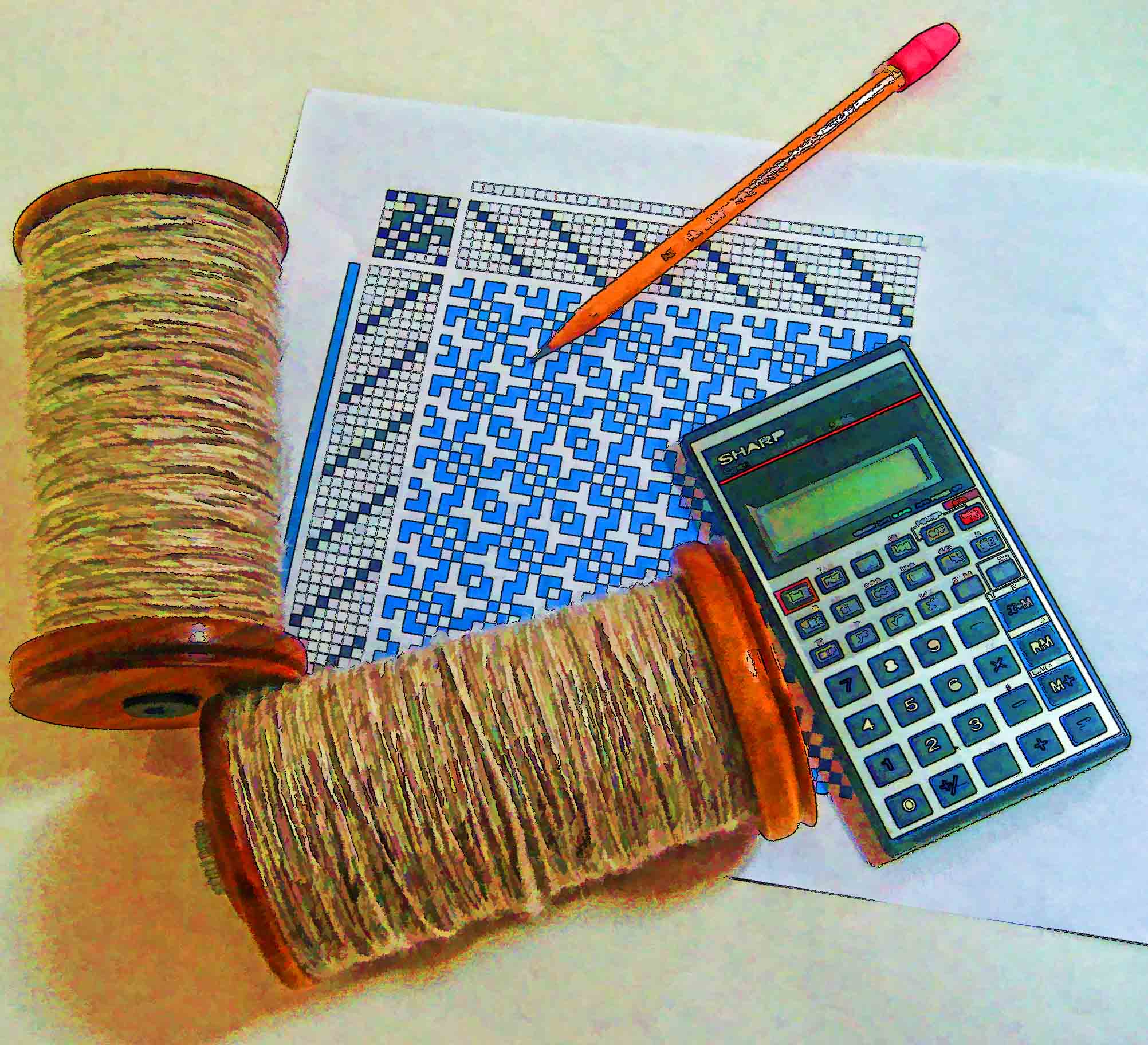 Are you hesitant to start winding a warp because you fear you will run out of hand spun yarn before you complete the process? What about weft? How much are you going to need to weave the complete project? These questions keep a lot of us from using up that stash of hand spun yarns in our weaving projects. A cone or purchased skein of commercial yarn usually spells out how many yards per pound you have and weavers rely on that information when they are gearing up for a project. Stephenie Gaustad is just the person to get you out of your corner of uncertainly and will teach you how to make weaving sense from what you have spun. So bring a couple of bobbins of yarn and project ideas to the “What Do I Have” class and let Stephenie’s expertise guide you through the process. The calculations aren’t difficult; you just need to know what steps to take to get answers and your hand held calculator will be there to do the hard parts.
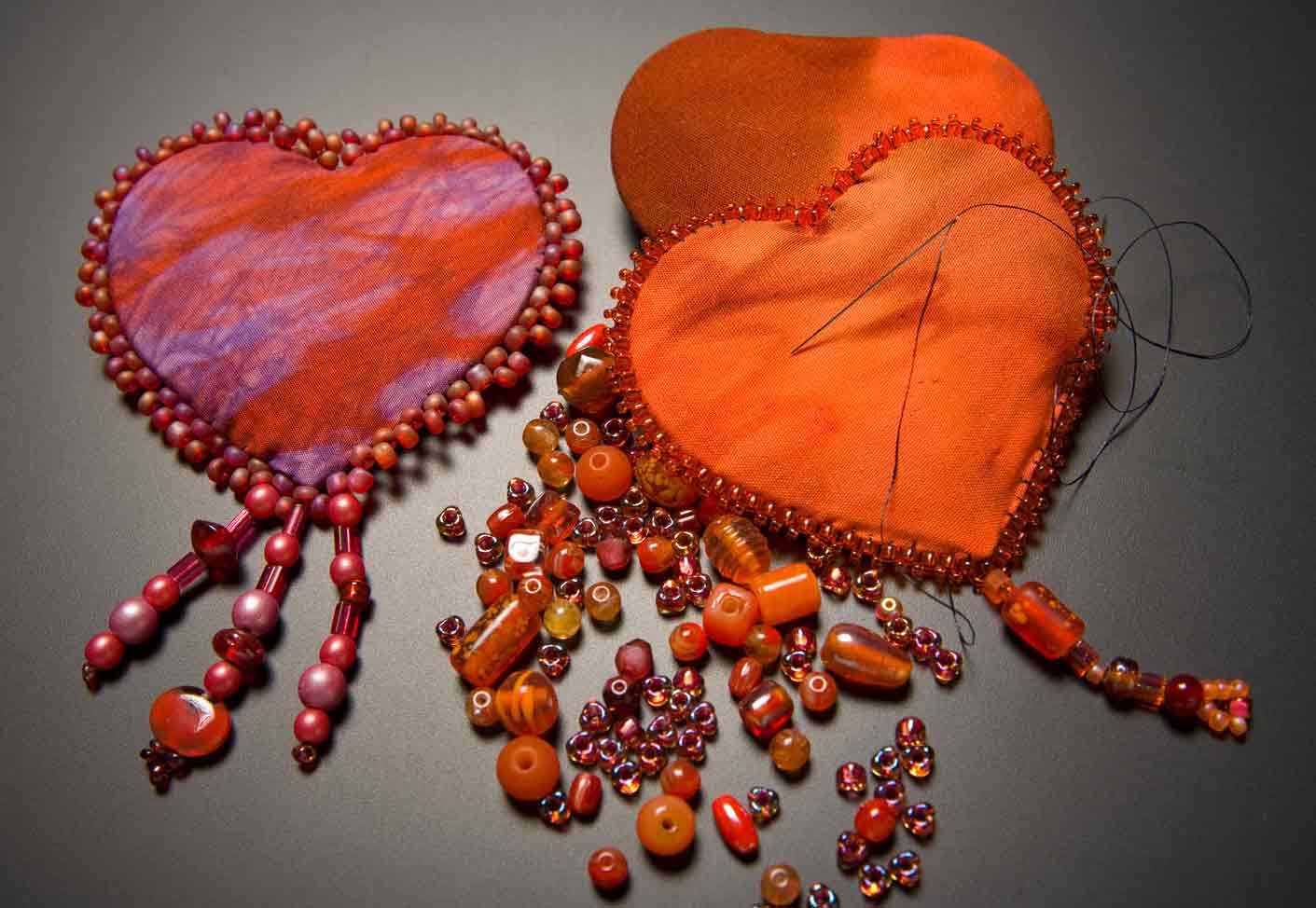 Anita Luvera Mayer is a name that many weavers already know. Some may know her personally through guild membership or one of the workshops she has taught over the years. During her weaving life, Anita’s art has expanded from weaving rectangular pieces such as throws, scarves and shawls to her current love of lavishly embellished handwoven
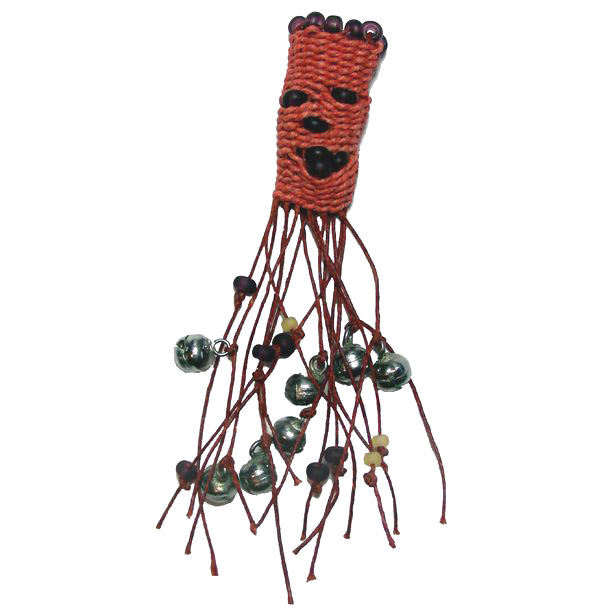 There are many techniques for making baskets and basket makers are like all other weavers; their skill takes practice and sometimes years to perfect. Alternate year conferences can be a good time to try something new and this year we are fortunate to have more classes than usual in basket making techniques. I thought you would like to know about a couple of interesting mini workshops being taught by Therese Fisher. Neither of these classes has a prerequisite, which means no prior basket weaving experience is required!
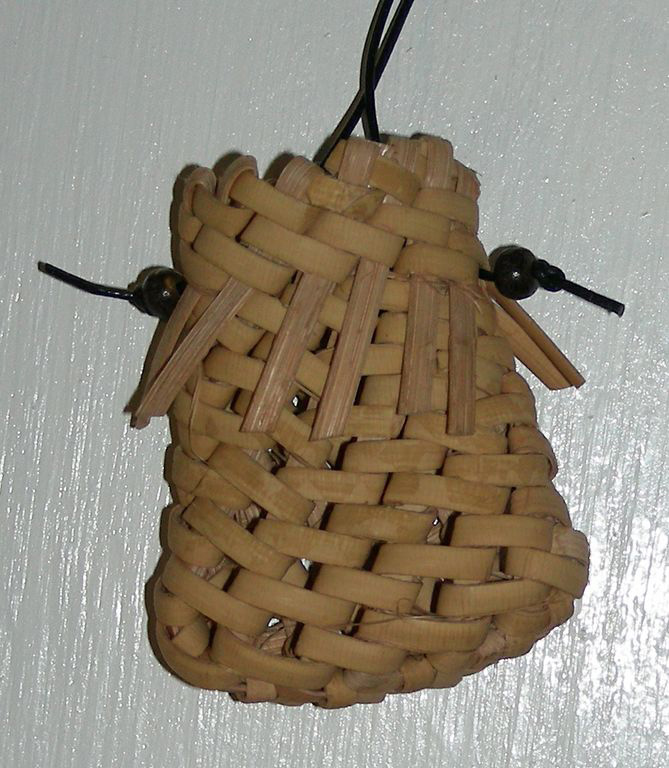 The “Mini Wrapture Pouch Necklace” class will instruct you in a couple of techniques such as fashioning a windmill knot for the base and warp wrapping for the walls of the pouch. The completed miniature basket would be the perfect vessel to house a small, but important gift for someone you love. A friend suggested using the pouch as a spinning wheel oil holder; the choice is yours. Another of Therese’s classes that sounds like fun is the “Faery Pocket Rattle”. This project features a “rim start” technique and using waxed linen thread and beads in the basket making process. Each rattle is an individual and you are the creator of face and personality. Put lots of bells on your rattle and hang it on a door for little tinkling sounds as the door opens and closes. This joyous project may be your portal to a basket weaving career!
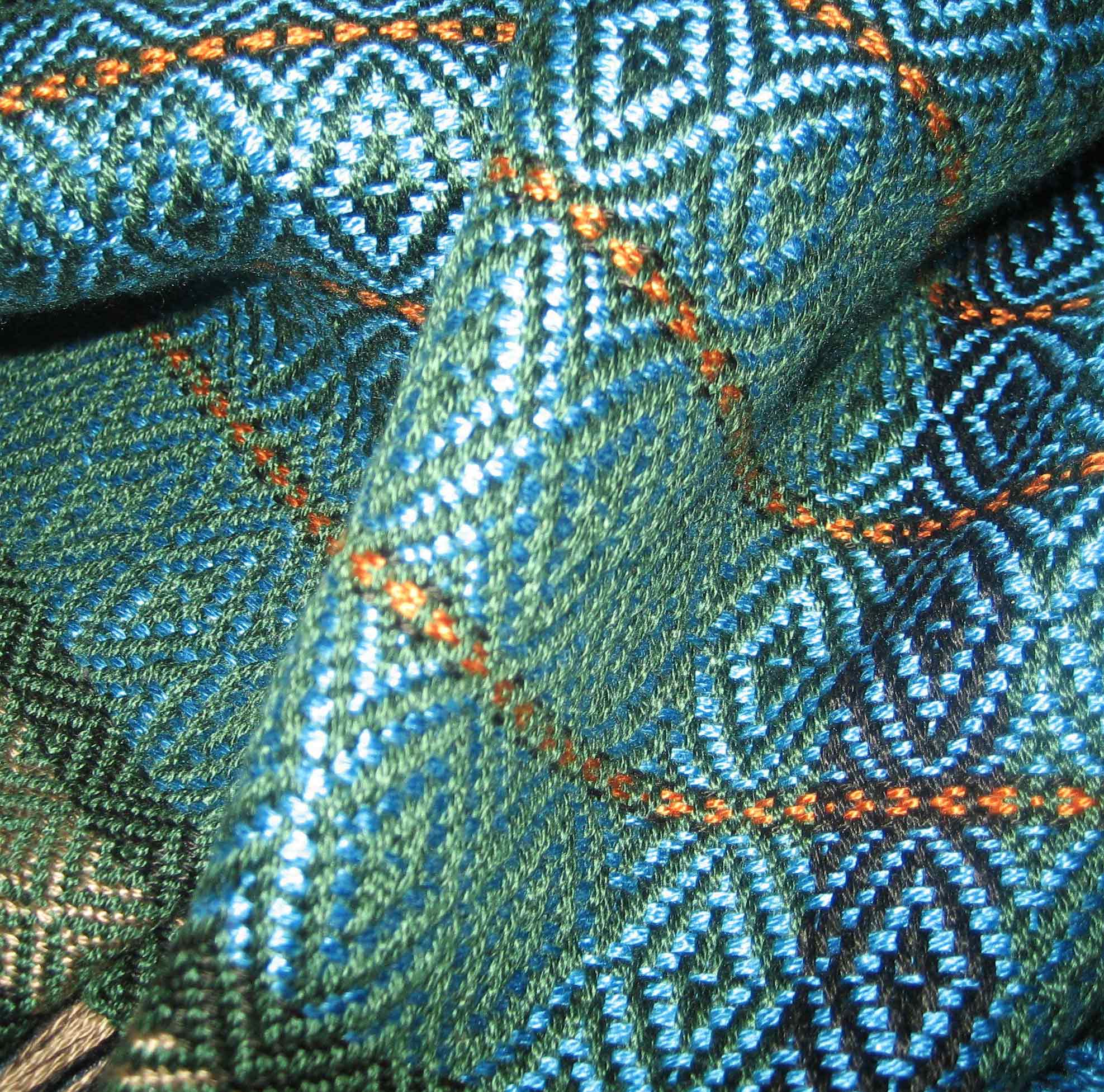
Handwoven Scarf by Betsy Abrams
A friend of mine recently commented that she looks forward to conference because, for her, the benefits come in interaction with other fiber folks. Since this is true for her, then I suspect it may be true for many other attendees. The Textile Parade idea was hatched so that everyone can show off their special talents wearing or carrying one of their fiber creations. The interaction part flows naturally and since the idea is sharing, you won’t have to be so surreptitious in your approach to reach out and touch someone’s gorgeous angora sweater.
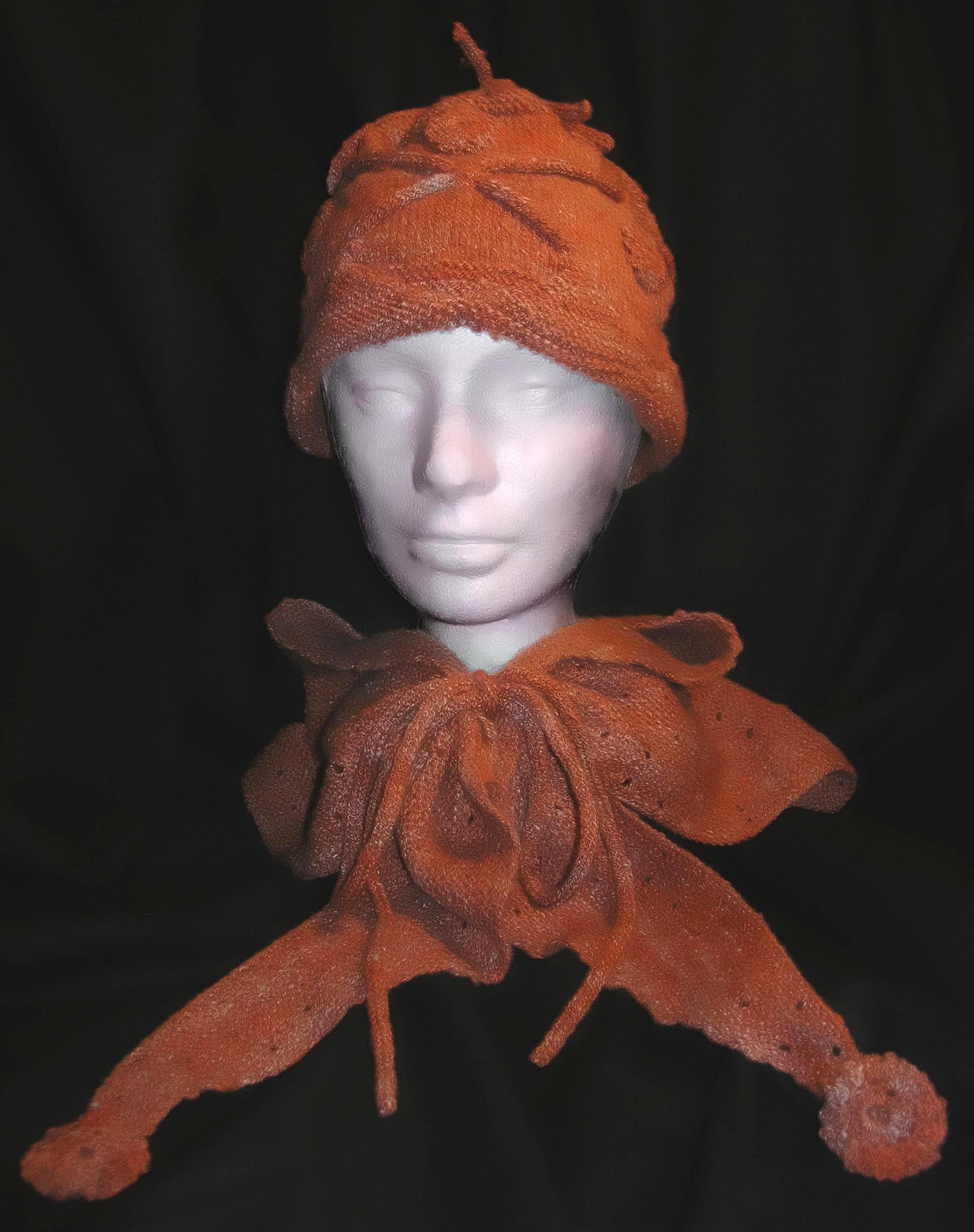
Handspun & Hand Knit Cap and Scarf by Joan Soth
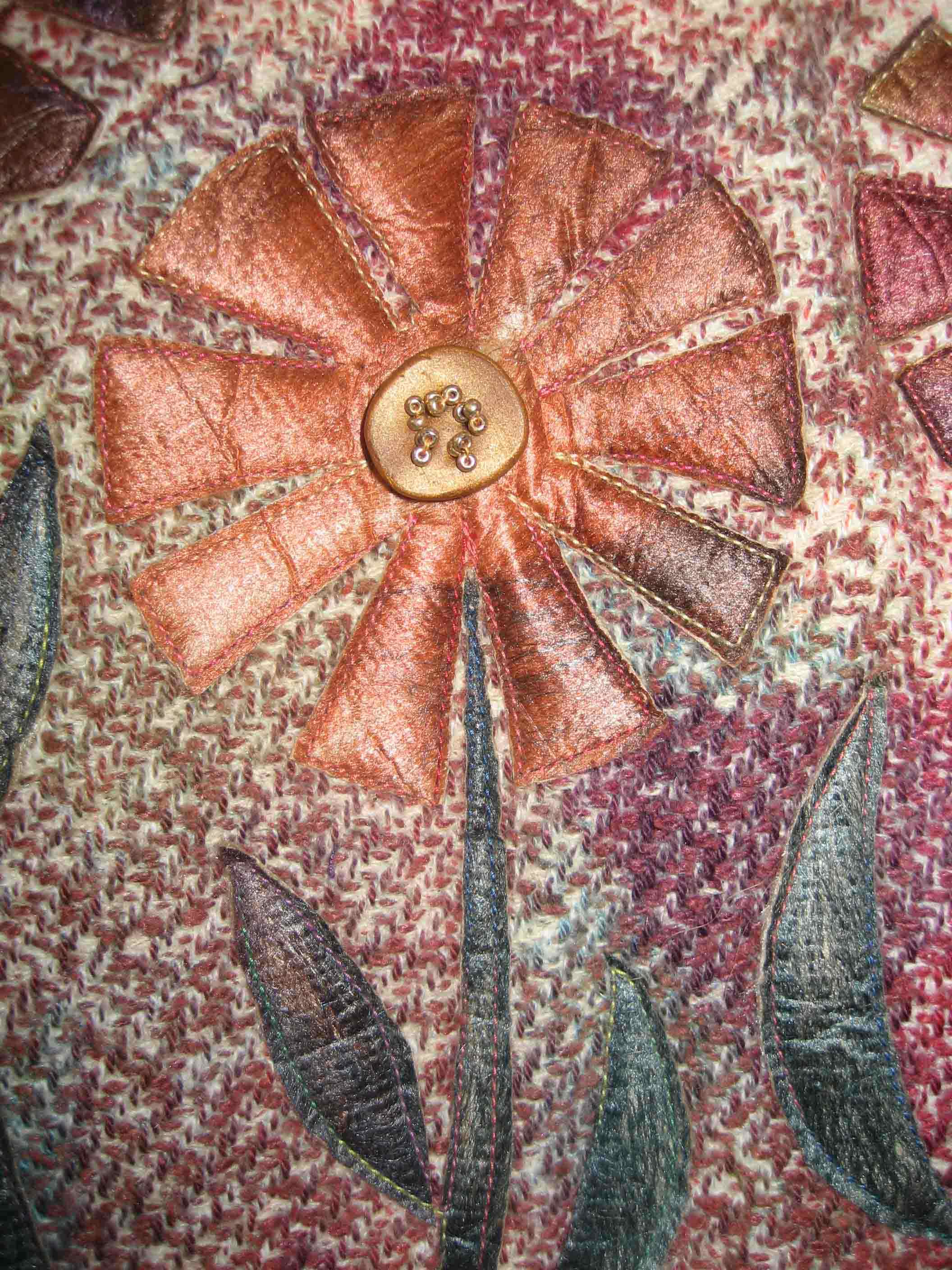
Surface Design on Handwoven Cloth by Dee Jones
A great reason to participate in this fun event is that you will come home with all sorts of inspiration to use in your own projects. Think unexpected color choices, out of the box style or use of materials. Did you like it, hate it, or just can’t wait to try out a variation once you are home? You will find yourself thinking about what you have seen long after the parade has ended.
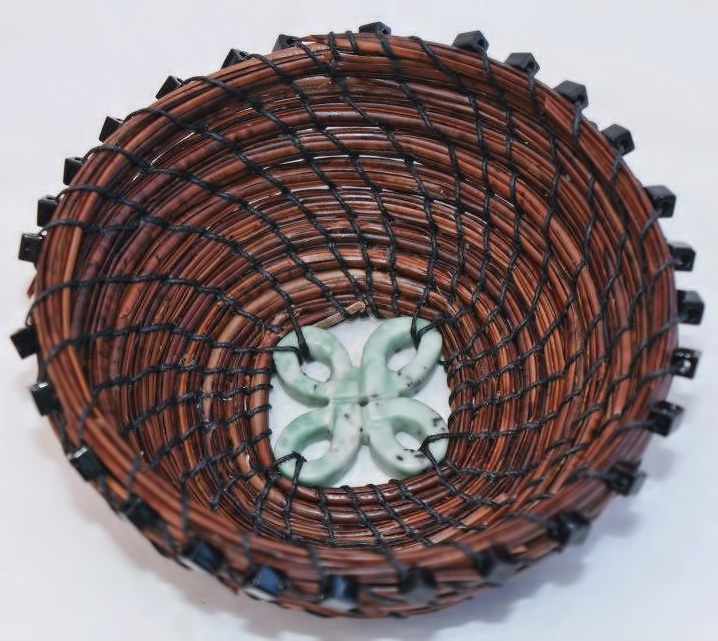
Blessing Bowl Pine Needle Basket by Cheryl Taylor
So please fill out your entry form from the booklet or download a copy from this web site. Note that you can enter multiple items as long as you have volunteers to “parade” each item. And there will be a 2013 Textile Olympic medals for “People’s Choice” votes in both wearable and carrying categories. Photos will also be allowed which will make for wonderful sharing experiences with guilds and friends at a later date when you relive your textile experiences from CNCH 2013.
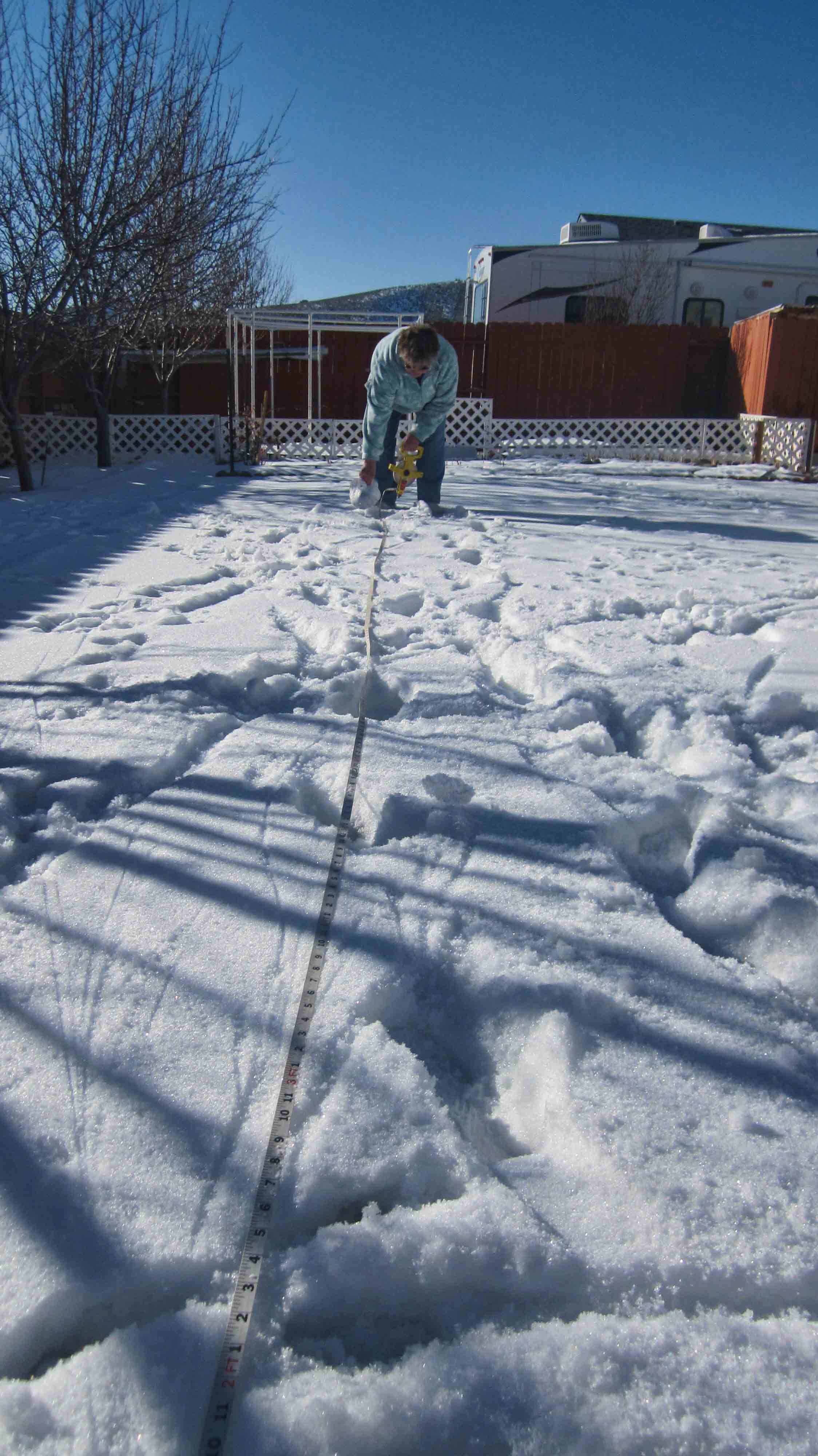
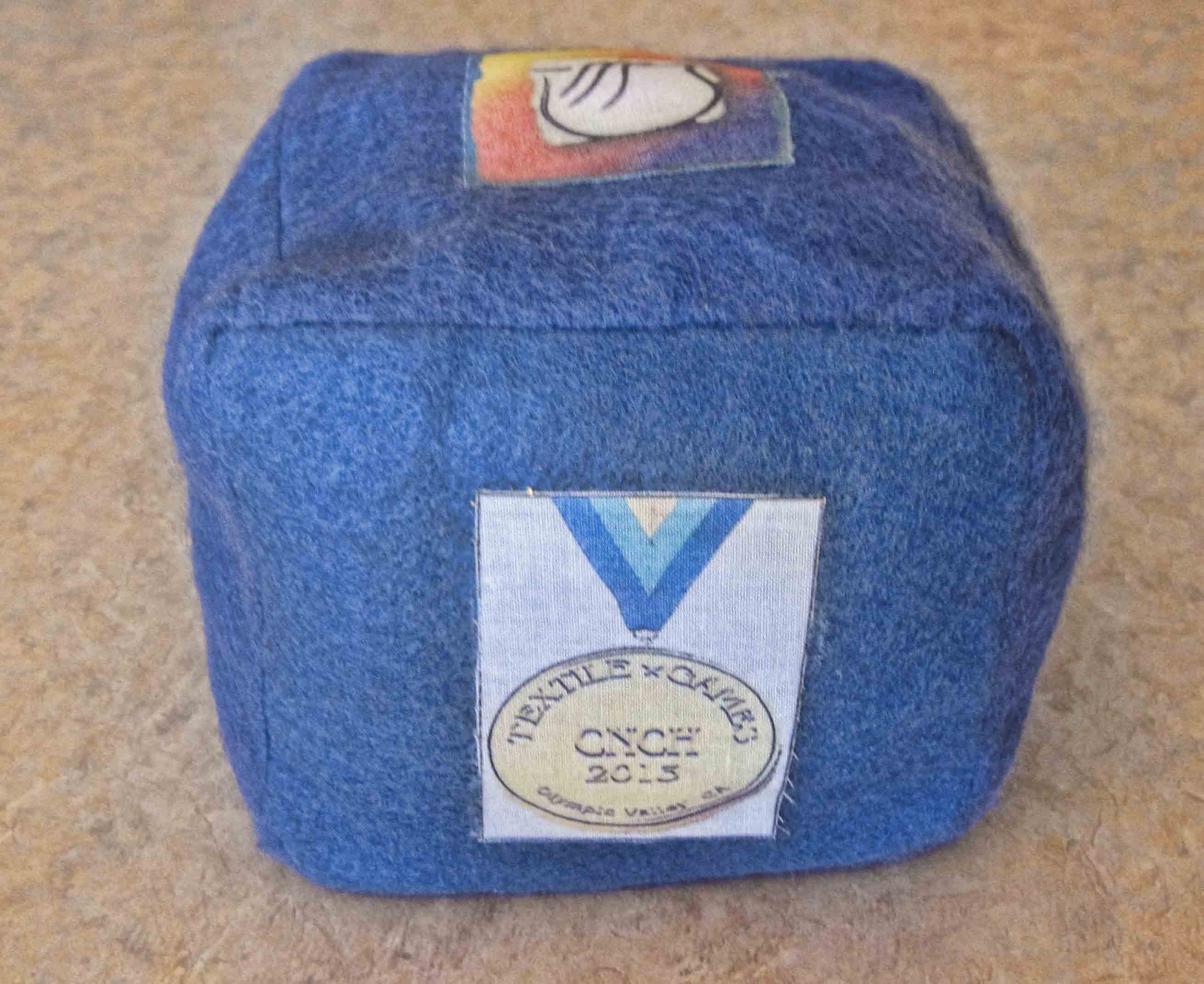 This year’s Textile Olympics is a great way to show off your shuttle throwing muscles. A special Textile Olympic event has been designed with medals awarded for the longest three throws of a three pound felted weight. I don’t think your best underhand throw is going to cut the mustard here. Try watching this video to get a feel for the technique and various stances you can try out. Then, practice, practice, practice.
January 12, 2013
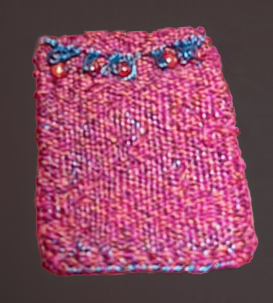 Looking for portable weaving projects? Maybe the Cardboard Pin Loom is what you are looking for. Julie Barbic’s class can get you beyond the basics and into weaving small bags, tapestries and more. (See the photos for some little pouches done on pin looms.) Julie will have lots of pin looms available. Some will already have warps on them and some you will warp yourself. Soon, with Julie’s help, you will be creating something completely unique and individual and I’ll bet you will have dozens of ideas after you get a taste for what you can do with color, weave structure and texture. Think of all those thrums you have stored away or maybe the box full of little balls of yarn left over from knitting projects. Bring them to the class if you like and get weaving!
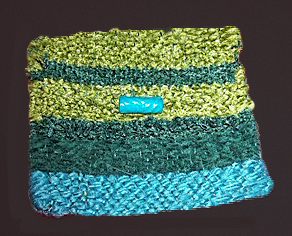 If the whole idea of using up your fabric and yarn odds and ends interests you, then take the “Twine a Placemat” class on Sunday. The class fee will pay for a portable loom that you will be using in class and Julie will have lots of fabric and yarn for you to play with. Learn twining and fiber joining techniques and then translate your new skills to other projects such as basketry after the conference ends.
January 4, 2013
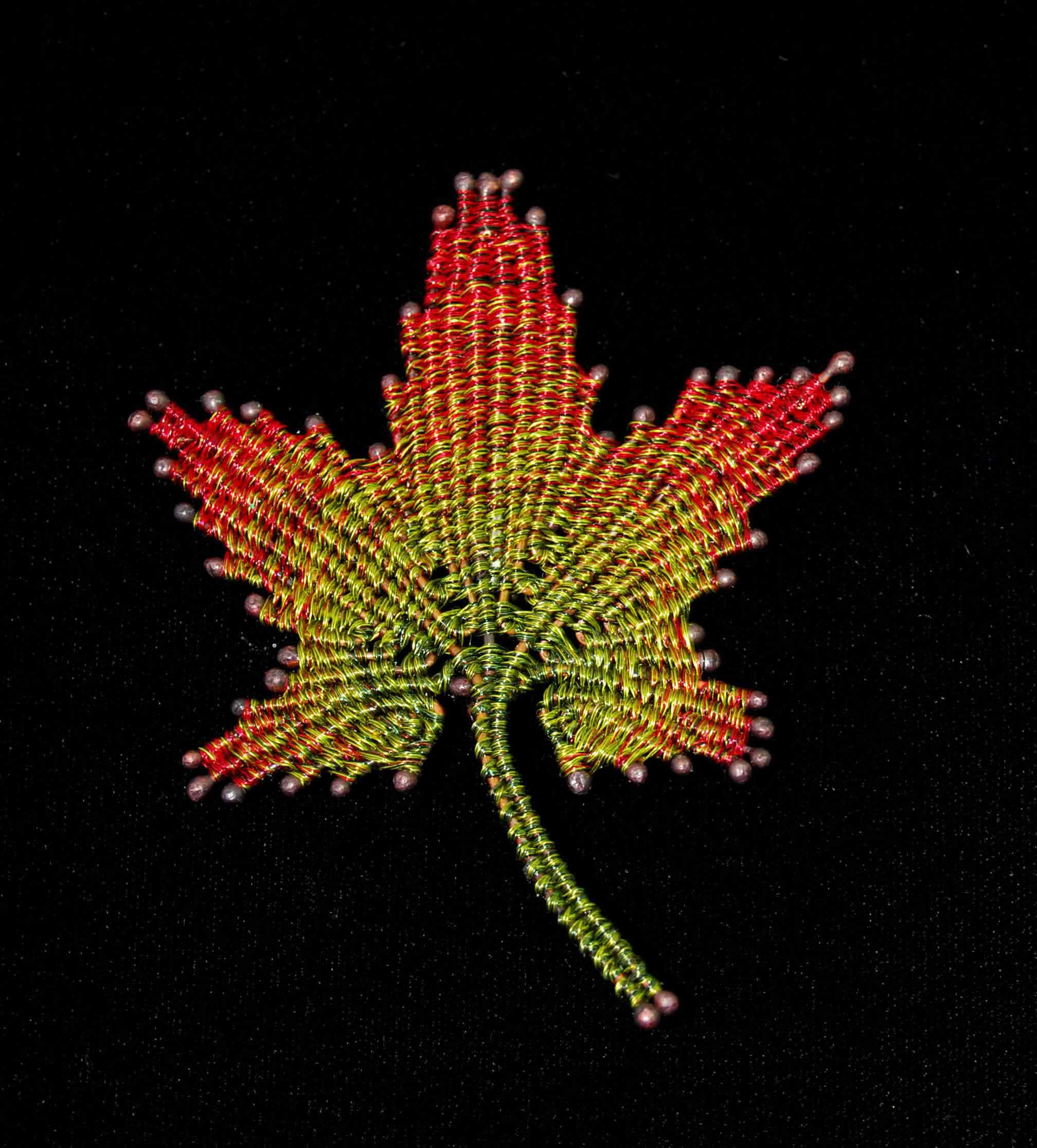
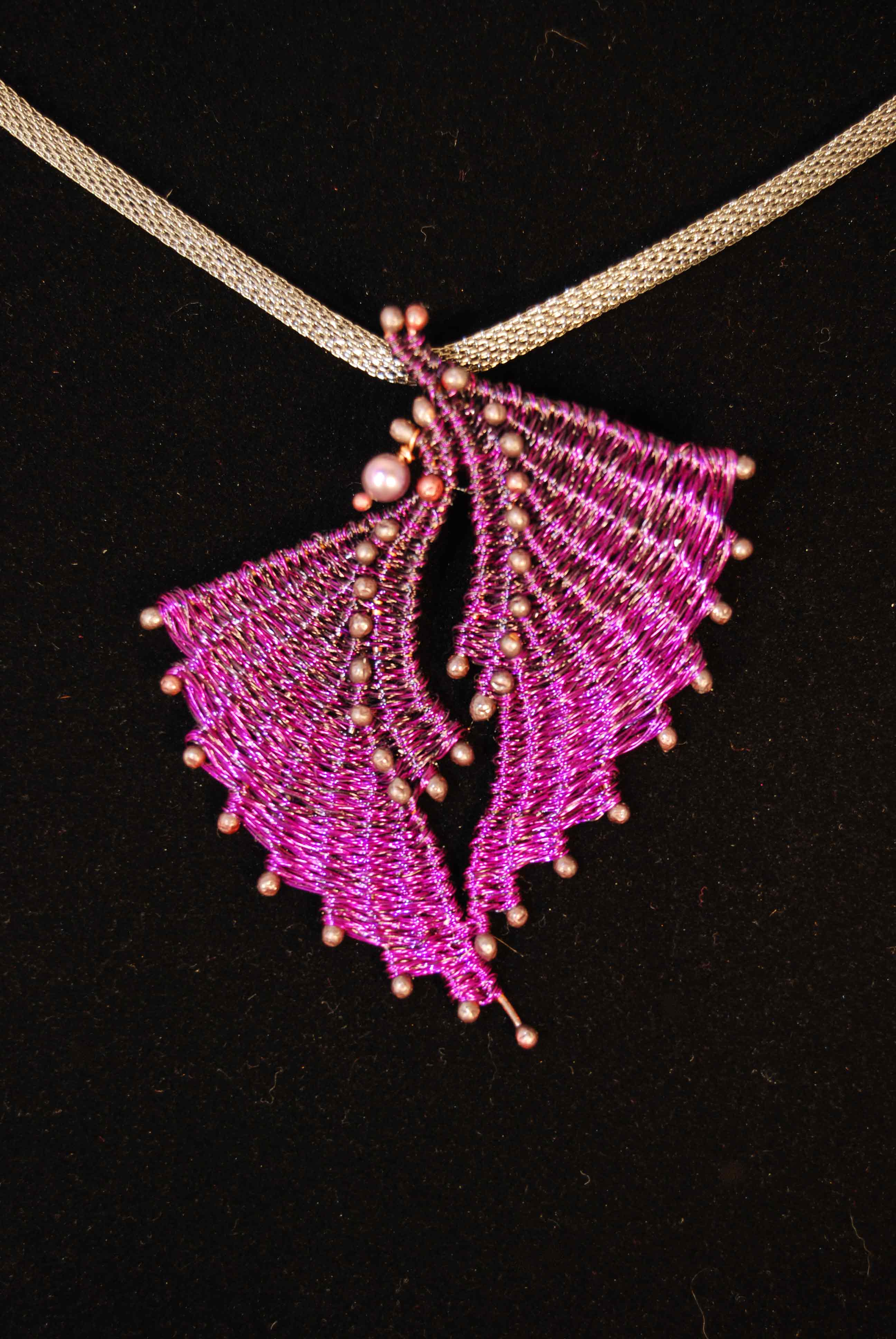 Marilyn Moore is known for her twining with wire and blending color using fine wire as a twining material. Once you have mastered the earrings in her introductory class at CNCH 2013, you will have the skills necessary to work on more advanced projects. For the conference class, Marilyn prepares the spokes for you so that they are uniform and will make a matching pair of earrings. You will have enough twining wire to complete more earrings or perhaps have enough to start another larger project. You will learn about preparing your own spokes as well as all the skills necessary to continue with this exciting technique.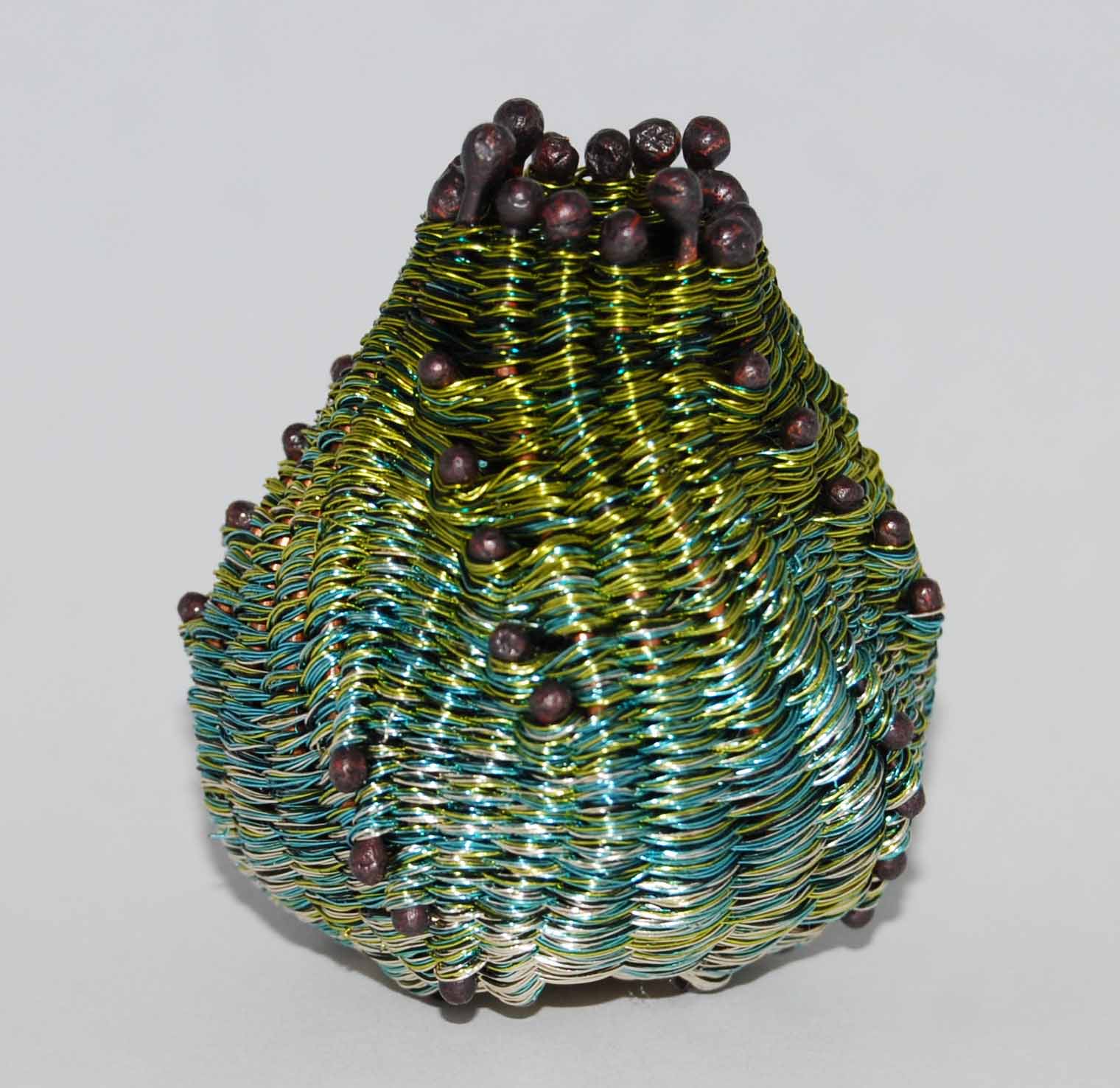
December 28, 2012
 Christmas has come and gone but our hopes are that each of you had a warm and wonderful celebration with family and friends. This next week is the time to take care of a few chores to make your fiber journey the best ever in 2013. First of all, take some of the Christmas cash that Santa stuffed into your stocking and send off your CNCH registration. Then, call Squaw Creek Resort to make reservations for your accommodations at the conference price. The original block of rooms at conference prices has almost been filled, but CNCH can still add more at this time. (A gentle reminder to those who have already registered, do not delay any longer if you have put off this important item on your check list.) Now you are ready to sit back, with fiber project in hand, and enjoy the arrival of the new year.
December 19, 2012
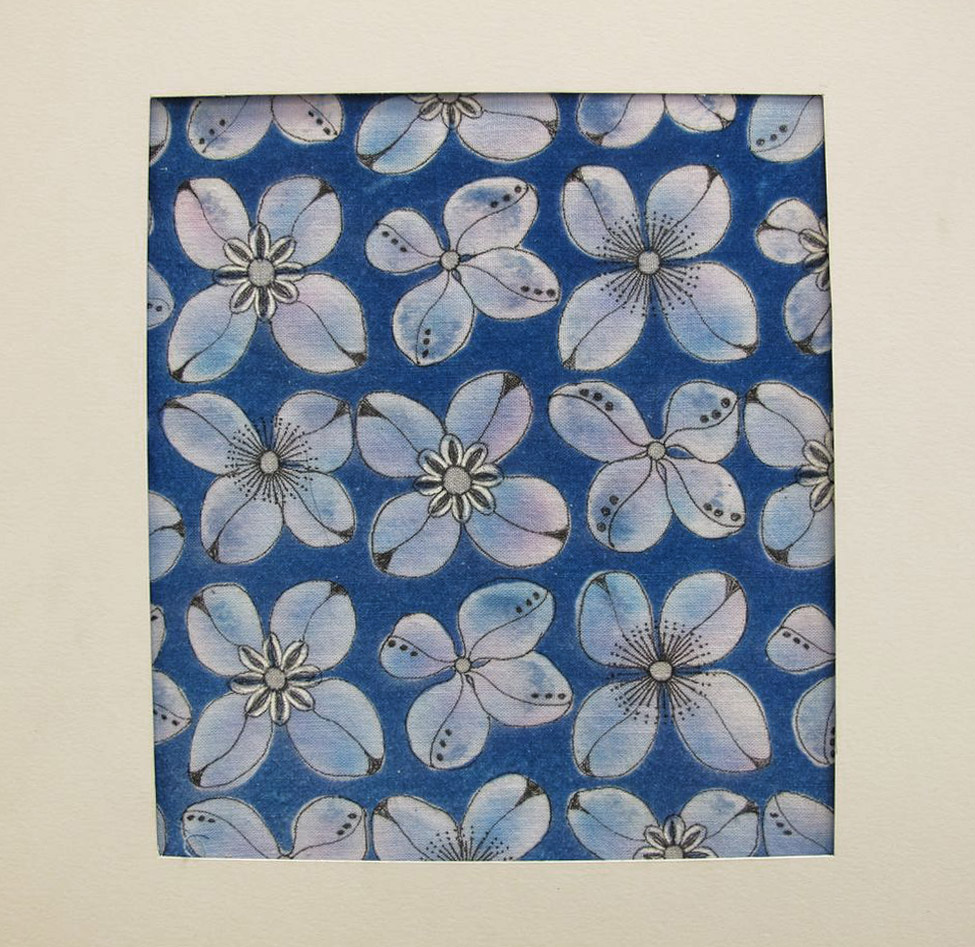 The cyanotype procedure was discovered in England by Sir John Herschel in 1842. He used it to reproduce his notes and diagrams and thus the word “blueprint” became part of our vocabulary. Anna Atkins, who was reputed to be the first woman photographer, discovered she could lay plant specimens on treated paper and once they were exposed to the sun and the chemical reaction stopped, she would have a silhouette image in blue and white. Today cyanotype is still used in photography and you can even convert your photos to look like they have been processed using this technique through the miracle of photo editing software.
The CNCH committee is excited that they are able to offer a workshop in cyanotype techniques taught by Wendy Patrucco. The focus will be getting images printed on to cloth. Ultra violet light from the sun is needed to develop the image, but Wendy brings her own UV light box, so it won’t matter if the sun is under a cloud on the day of the class. After your designs have been transferred to cloth, you will have fun adding more colors with a variety of surface design techniques, with Wendy at your elbow to coach and give suggestions.
This class is going to get you started experimenting with thecyanotype process, but just stop to think of the possibilities once the conference is over. I see custom T-shirts for the family, hands-on sun printing with the grand kids, surface designs for handwoven cloth or even unique print blocks for quilting.
Please check out this little slide show of fabric cyanotype designs and recent workshop photos. If you are the curious type, Wikipedia has a fairly short and easy to understand history and description of the cyanotype process. After that, the next step is to fill out your CNCH registration form and sign up for Wendy’s Saturday afternoon class!
|
December 10, 2012 Everything you need to know about knitting up your stash of space dyed yarns
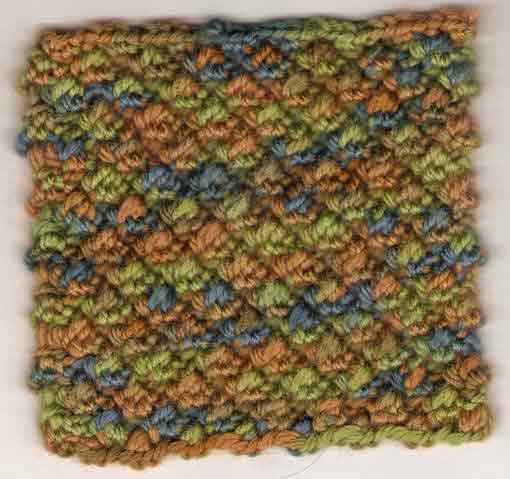 I was flipping through my CNCH 2013 booklet the other day and my attention was caught by the class taught by Lorna Miser, “Tips for Knitting with Space-Dyed Yarns”. I could certainly use some tips and I am betting that there are other knitters who want to solve the dilemma of how to make these yarns work in a project. I wrote to Lorna to see if she could tell me a bit more about what students in this class might expect. Here was her reply.
“Color lovers, does this sound familiar? You create or purchase the most gorgeous hand dyed yarn you’ve ever seen. The colors look amazing together. You can’t wait to knit it into that perfect sweater. But when you start knitting, the colors pool. The colors aren’t mixed and blended, they’re in blobs and stripes and target circles in ‘all the wrong places’. To make it worse, it looks exactly like all the other hand dyed sweaters you have. Nothing original. You are disappointed and discouraged by the yarns and vow to never use them again.”
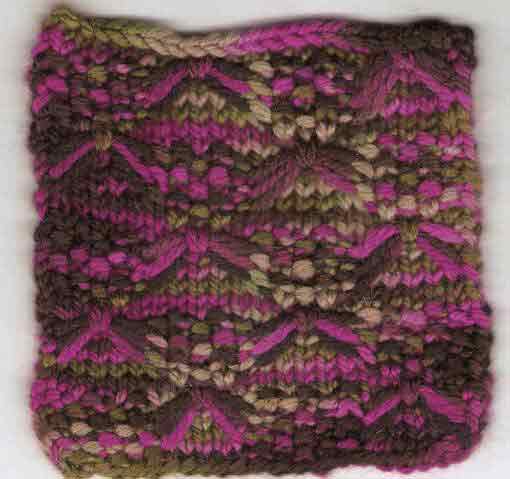
Stop the train! Lorna to the rescue! First of all, Lorna KNOWS hand-dyed yarns. This is Lorna aka Lorna’s Laces and she has dyed it, designed it, and tamed it. If anyone knows the tricks and tips to help you fall back in love with hand dyed yarns, Lorna is your girl. She will have garments and other knit projects that show a multitude of different techniques that put the design control back in YOUR hands. You own the yarn, the colors, the design. In class you will make some hands-on swatches of fun stitch patterns, watching for yourself how you make the colors all happy together. Prepare to feel that passion for hand-dyed yarns again and have a great time doing it!”
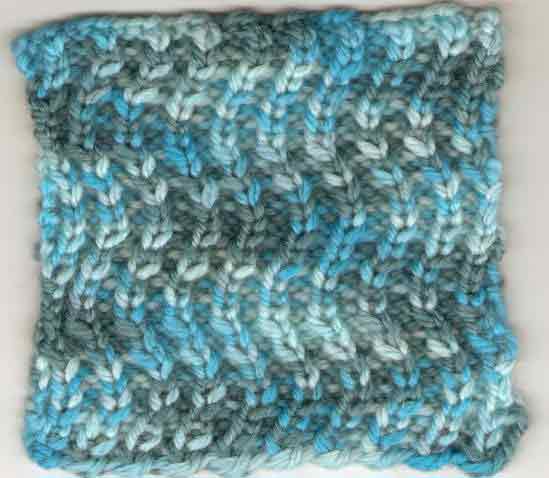
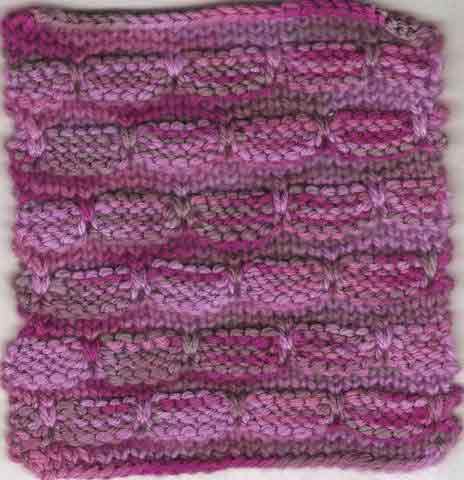
I’m sold. Just check out the photos of these knit swatches to see if you aren’t eager to dip into Lorna’s bag of tricks too! For more information about Lorna and her knitting design work, be sure to check in at her website and blog.
|
||
 |
 |
 |
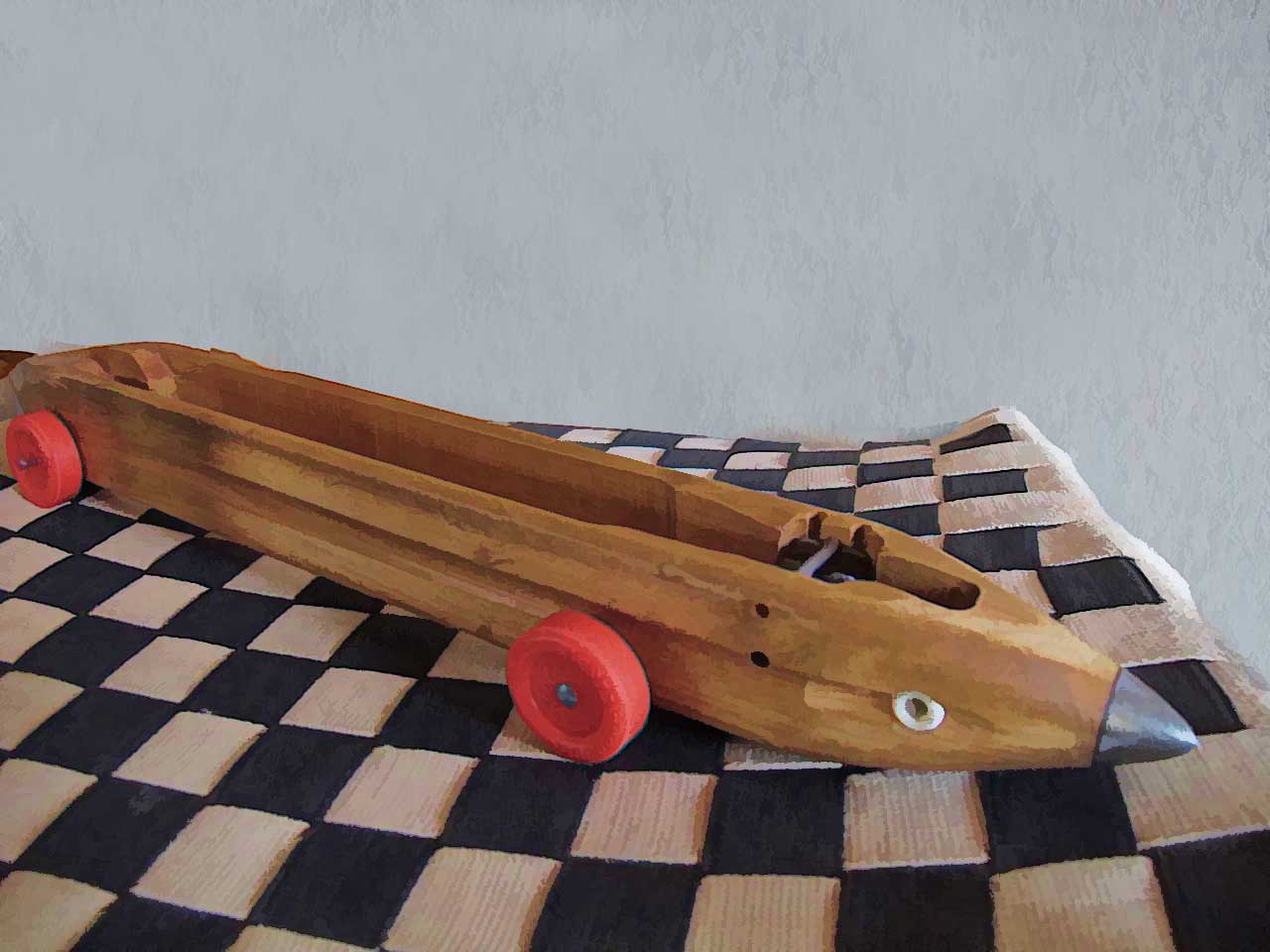 around in your weaving studio to find an old shuttle to modify? Maybe your guild wants to sponsor an entry and they are looking for shuttle customization ideas. I found a couple of web sites that may help you get started on your quest for designing a gold metal entry. Before you start your modifications, be sure to check out the Pinewood Derby Car Specifications in your registration booklet so that you have a shuttle with the correct specs. (You can also read the details at the CNCH program booklet site – click on Intro, Lodging and Events)
October 27, 2012
 Tick Tock, Tick Tock, Tick Tock!
November 1st is just 5 days away! Please remind all your fiber enthusiast friends and guild members to mail their registration forms as time is ticking away! Although CNCH 2013’s TEXTILE * GAMES offers a long list of interesting classes to choose from, and making your final selections can be difficult, sending your selections by November 1st will increase your chances of getting your priority choices!
+ Plus, don’t forget to mark your registration form for entry in the TEXTILE * GAMES for the fun and the opportunity to win a gold, silver, or bronze medal in the Lanyard Contest and the Timed Shuttle Race.
More Good News!
 Selection and registration for your hotel room has gotten much easier! The Resort at Squaw Creek has set up our very own “passkey” web link to CNCH 2013 conference rates. Just click the link to tour the hotel’s amenities and all room types available at our discounted conference rate, make your selection and then reserve the room of your choice! And remember, all conference registrants are eligible to extend their stay 3 days before and after our conference! Alternatively, you still have the opportunity to make your hotel reservations by phone by calling (800) 403-4434and tell them you are part of the CNCH conference. PASSKEY
But wait… 2 more things!
- Scholarship Applications are also due Nov 1.
- Companion Passes are available for our evening events if you’d like your guest to join us in all the fun and scrumptious food!
Your CNCH 2013 Conference Committee is looking forward to seeing YOU!
